
Innovation in progress
Technology in Development
Alongside our commercial platform, this is what Petron is actively building next, a window into our R&D momentum for partners, investors, and regulators.
In development
R&D pipeline
The next molecules Petron is building, advanced with co-development partners.
G2 biofuels platform
Petron's next-generation (G2) program unlocks the cellulosic fraction of abundant, non-food agricultural residues through advanced pre-treatment and hydrolysis. Designed to integrate directly with existing sugar mills and distilleries, it expands the feedstock base available to Petron's downstream portfolio, with near-zero competition with food supply chains.
Corn cob
A high-volume agricultural residue. Pre-treatment and hydrolysis convert its cellulose and hemicellulose into fermentable C5 and C6 sugars.
Sugarcane bagasse
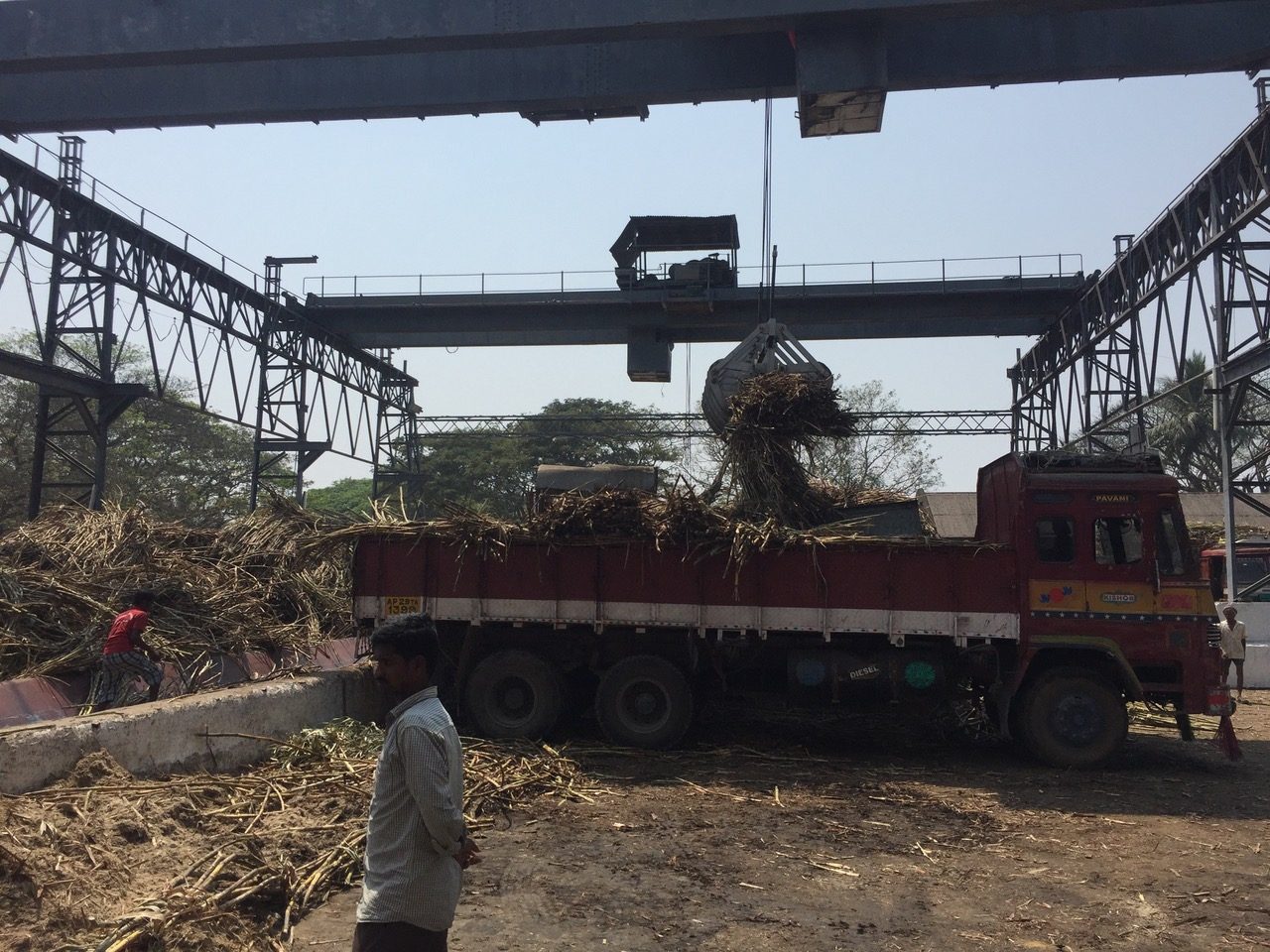
The fibrous residue left after sugar extraction. The G2 process integrates directly with existing sugar mills to co-produce ethanol alongside sugar.
Sweet sorghum
A dual-purpose energy crop: the juice ferments directly while the bagasse enters the cellulosic route. It grows on marginal land with less water than sugarcane, and is our primary EU focus, qualifying under RED III advanced-biofuel criteria.
Woody biomass
Softwood chips and other lignocellulosic materials as an additional G2 feedstock stream.
G1.5 ethanol, bridging first and second generation
G1.5 is Petron's enzyme-augmented upgrade for existing grain-based ethanol distilleries, designed to extract more ethanol from the same feedstock with minimal capital expenditure. Using advanced liquefaction, saccharification, and fiber-hydrolysis enzyme packages (developed with an enzyme supply partner), it is a bolt-on option that converts the fiber fraction into fermentable C5 and C6 sugars, delivering an additional 2-3% yield gain. For distilleries looking to increase output, reduce cost per liter, and begin the transition toward cellulosic ethanol without rebuilding their plant, G1.5 is the fastest, lowest-risk entry point.
Bio-butadiene, ethanol-to-butadiene (ETB)
Petron's Ethanol-to-Butadiene technology converts bio-ethanol into 1,3-butadiene, the monomer backbone of synthetic rubber used in tyres, hoses, and latex products. With the global tyre industry actively seeking certified bio-based butadiene, and structural petrochemical shortages tightening supply, this technology positions Petron at the intersection of renewable chemistry and the multi-billion-dollar rubber supply chain. Target clients are tyre majors and synthetic rubber producers across Europe and Asia.
Explore a technology in development
Tell us your feedstock and target market, and we’ll map the right pathway with you.