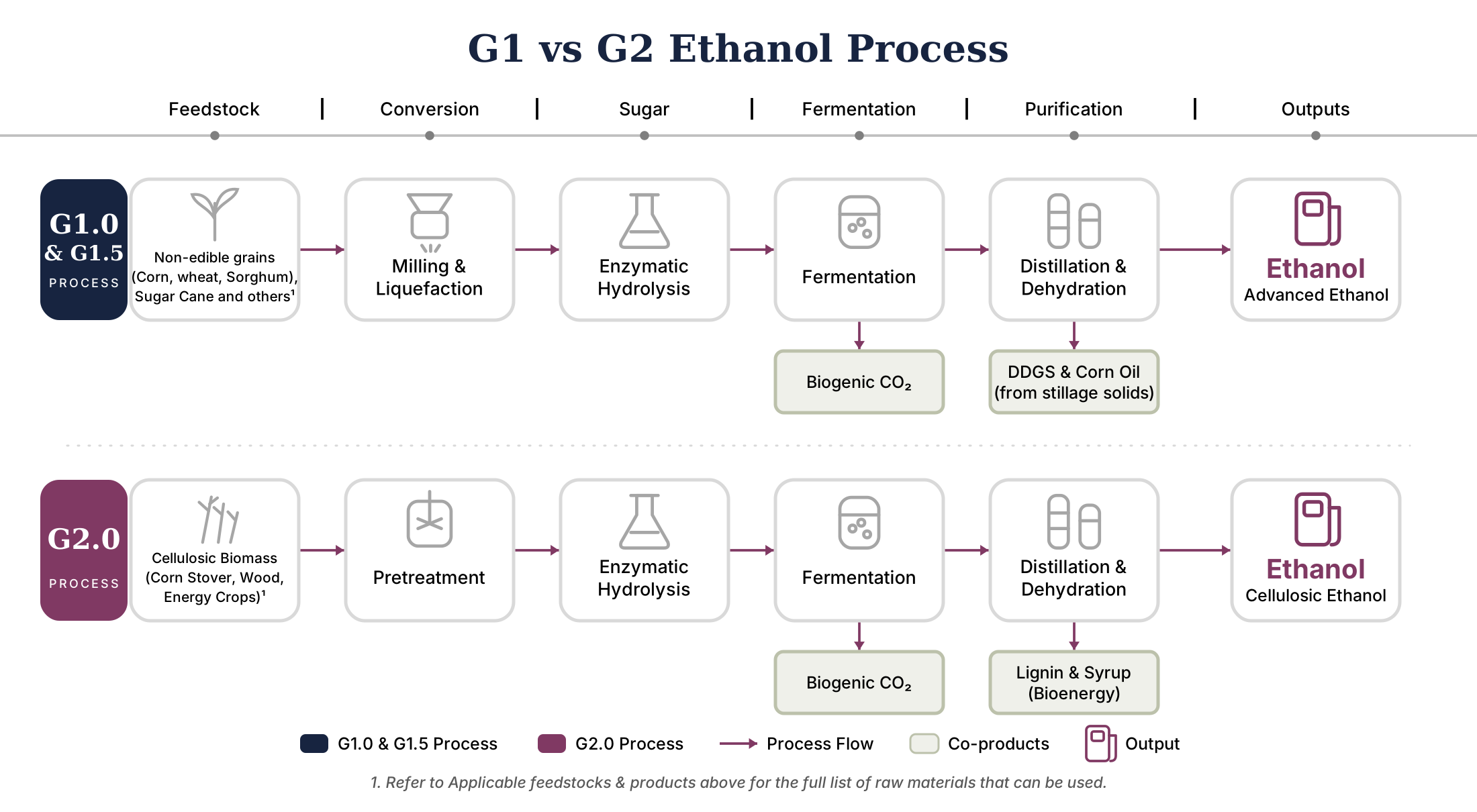
Besides the use of non-edible grain, sugarcane, and molasses, cellulosic, or second-generation (2G), ethanol turns non-food biomass into low-carbon ethanol, the feedstock that powers Petron’s renewable chemicals and fuels without competing with food crops.
Petron’s solution & differentiators
Licensable, state-of-the-art non-edible grain and biomass-to-ethanol technologies, commercially proven, highly integrated, and with the best yields in the current market.
Applicable feedstocks & products
Agricultural crops and crop residues, biomass and forestry residues, dairy waste, and non-edible grains such as sorghum and sugarcane, as well as molasses and other cellulosic feedstocks (including sugarcane and sorghum bagasse, corn cob and stover, wood, and agricultural wastes like rice and wheat straw, husk, and bran), can all be efficiently used as raw materials in Petron’s 1.5 and 2.0 generation technologies. These processes produce ethanol of all grades for biofuels, green chemicals and polymers, and a wide range of industrial, pharmaceutical, food, and alcoholic-beverage applications. Biogenic CO₂ is generated from fermentation in both generations. In addition, Generation 1.0 and 1.5 plants co-produce DDGS and corn oil, while Generation 2.0 plants generate lignin and syrup, which are used internally as fuel to supply the heat and power required by the process.
Commercial maturity
Commercially deployable; a cornerstone of the integrated biorefinery offering.
Full technical brief in preparation with the Petron technology team.